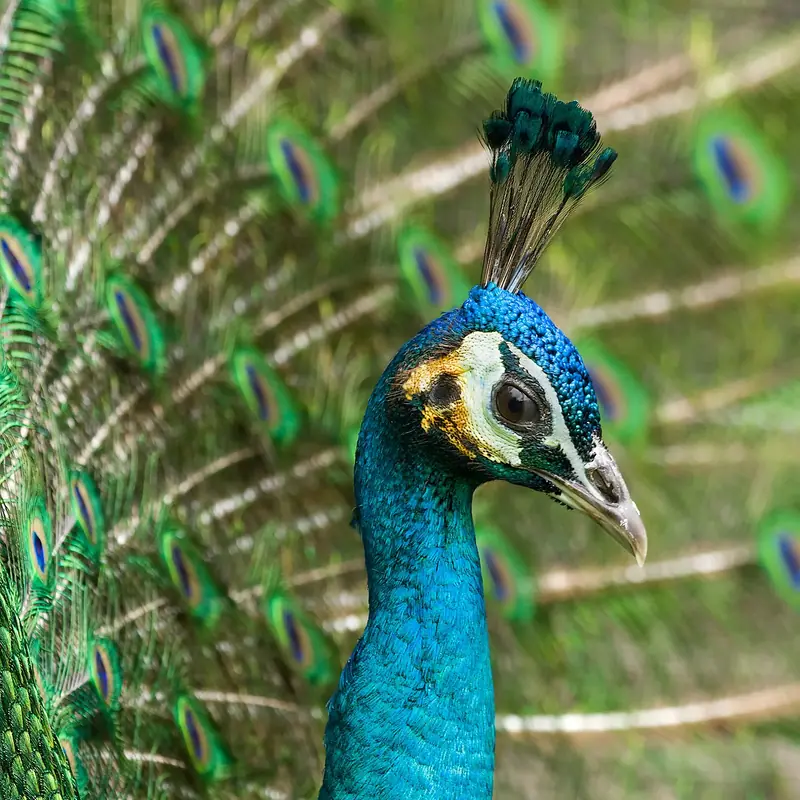

Animal Directory Featured species in the planned Entrance Plaza habitat
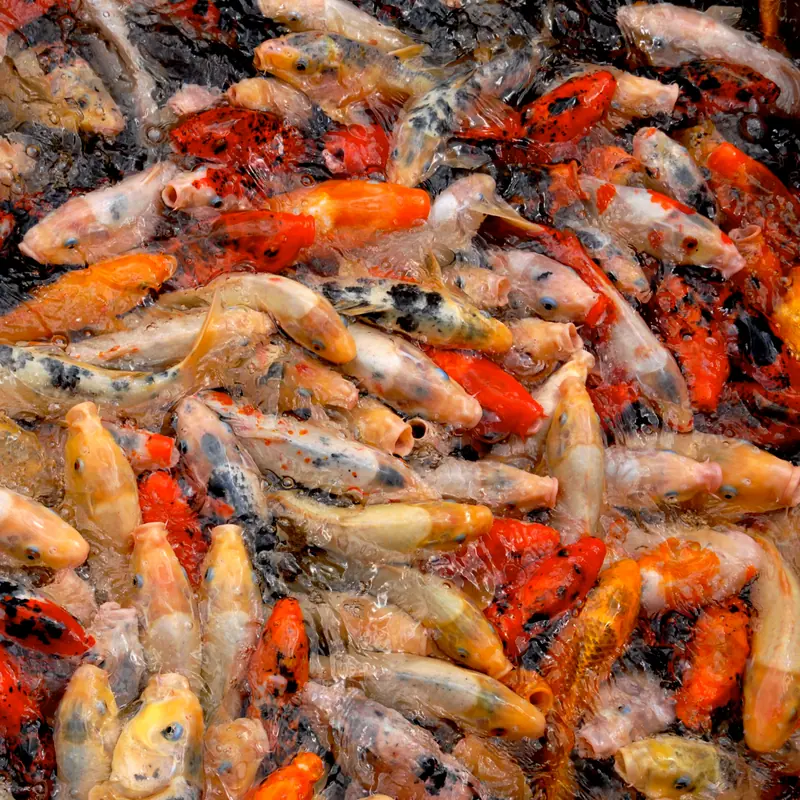
Photo: Eistreter CC BY-SA 3.0 Wikimedia Commons
Koi
Cyprinus rubrofuscus
Young Explorer Notes
Three quick things to know about the Koi.
- Superpower
Ornamental koi are a domesticated colour-morph of the Amur carp, selectively bred in Japan since the early 1800s from…
- Home
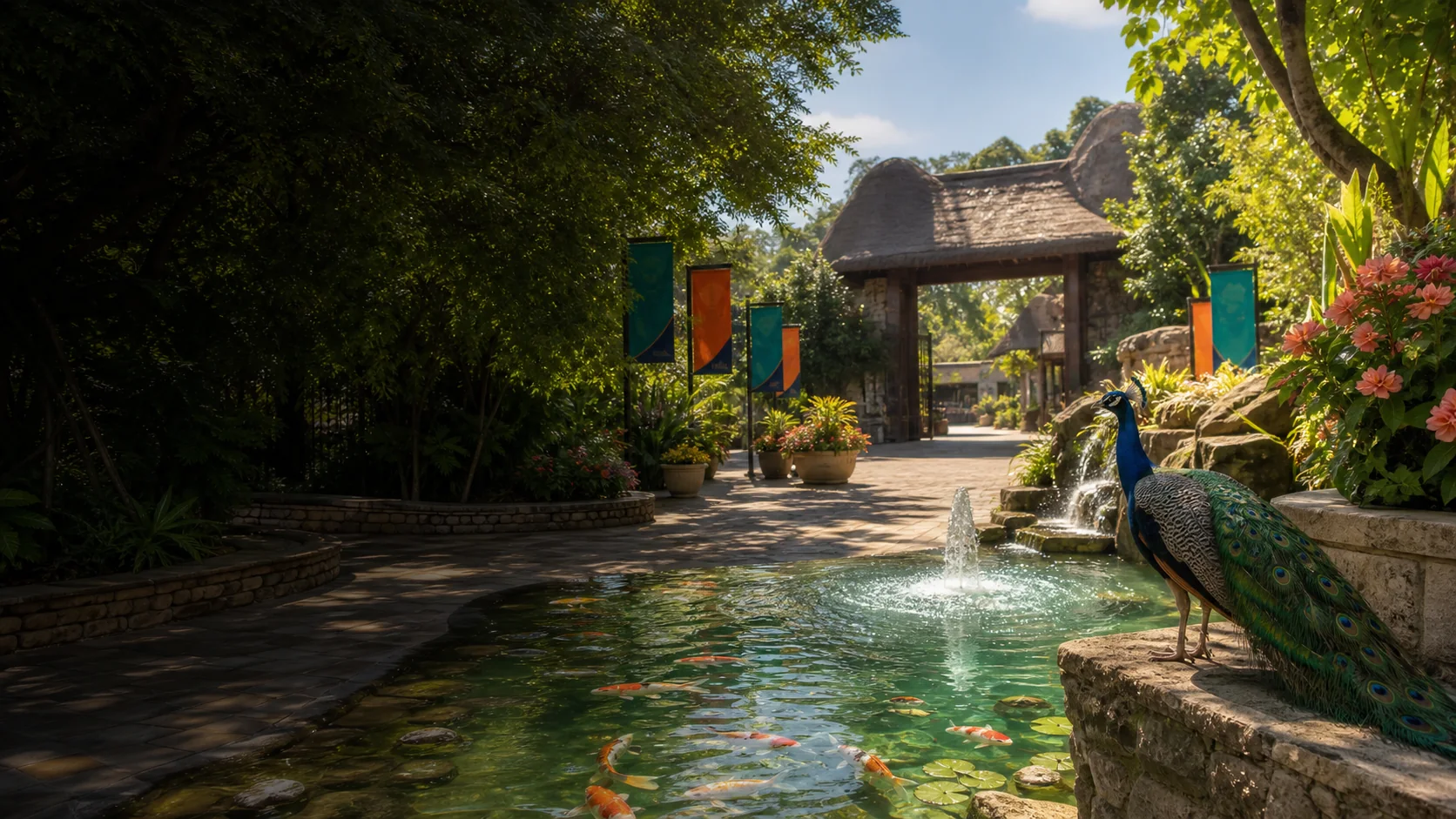
A sunny welcome garden with fountains and friendly birds.
- How to help
Friends who need our help
Vulnerable means they could disappear if we do not protect their homes.
Fun facts for everyone
- Ornamental koi are a domesticated colour-morph of the Amur carp, selectively bred in Japan since the early 1800s from working-pond stock.
- The IUCN assesses the wild ancestor (Cyprinus rubrofuscus) as Vulnerable — almost all koi in the world are descended from a tiny captive gene pool, while wild populations in the Amur and Yangtze basins continue to decline.
- Recognised colour varieties (Kohaku, Sanke, Showa, Utsuri, Asagi and more) are judged by a strict Japanese standard developed for over a century of competition shows.
- Koi are exceptionally long-lived; healthy specimens regularly pass 40 years, and the legendary "Hanako" was reportedly aged at 226 years from scale-ring analysis in 1977.
- Their colour-recognition is genuinely good — koi remember and approach individual hosts at feeding time, which is why the Entrance Plaza fountain pond is staffed for guided feeds.
From the master plan
The Entrance Plaza’s mirror-still fountain pond is stocked with a koi school selected for the classic Japanese palette of red, white, and black. Hand-feeds run on a posted schedule and act as the plaza’s first programmed wildlife encounter — calm, close, and welcoming before guests step into the larger habitats.
IUCN status sourced from the Amur Carp (Cyprinus rubrofuscus) assessment (Huckstorf, 2012) on the IUCN Red List — listed as Vulnerable with a decreasing wild population. Domestic koi are bred ornamental forms of this species.
Find them in