

Signature animals
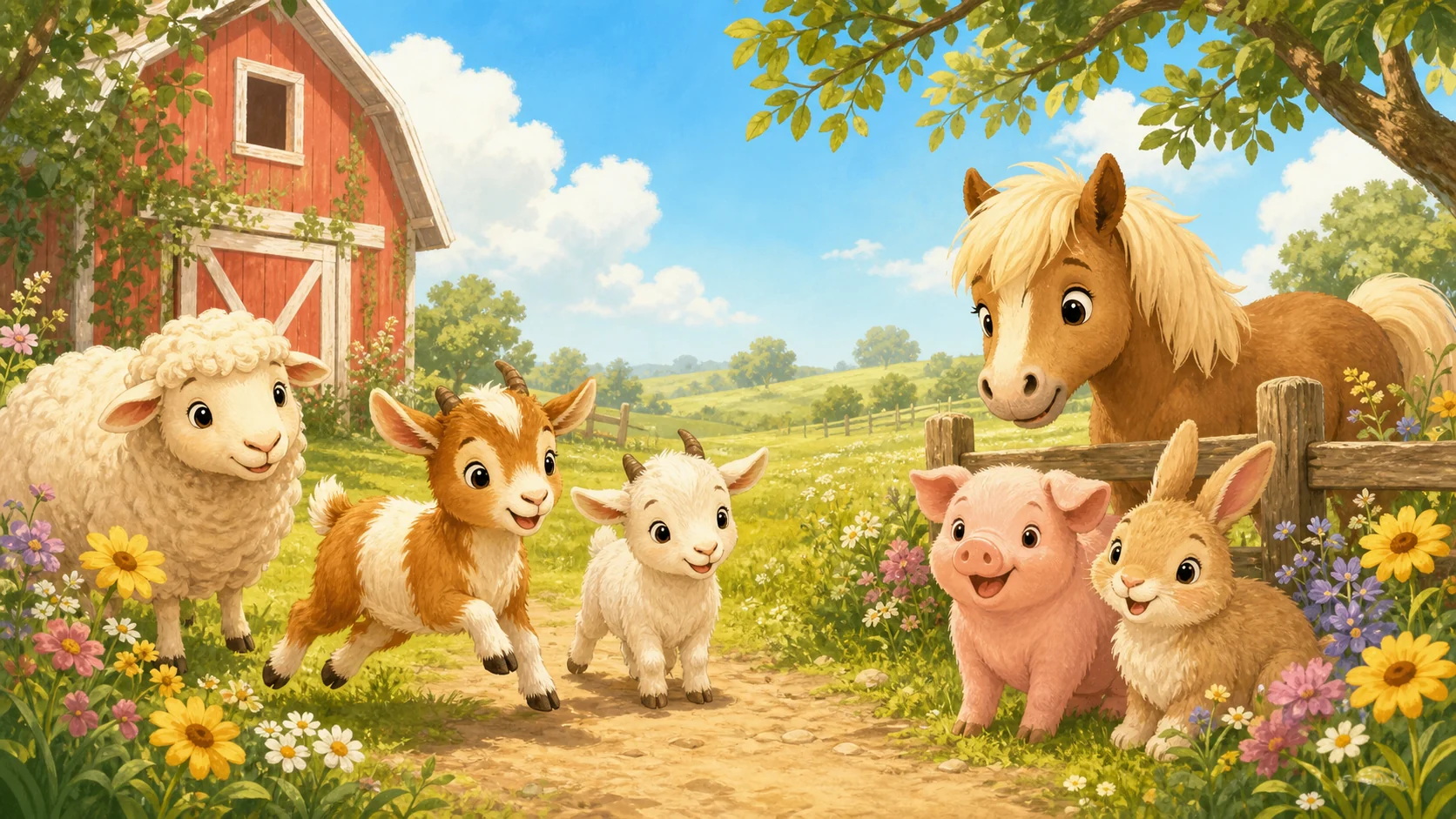
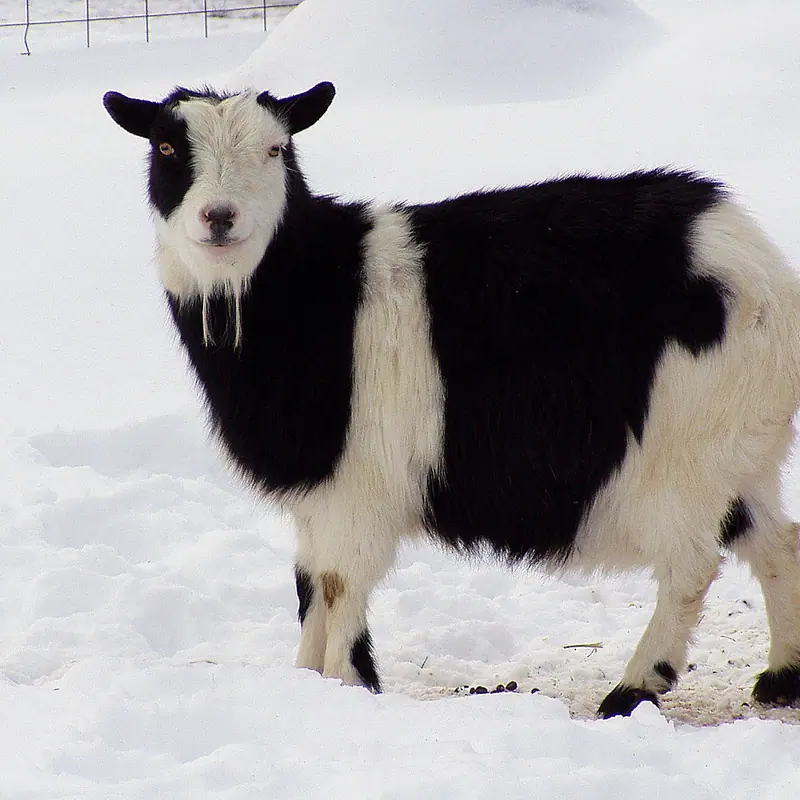
- goats
- sheep
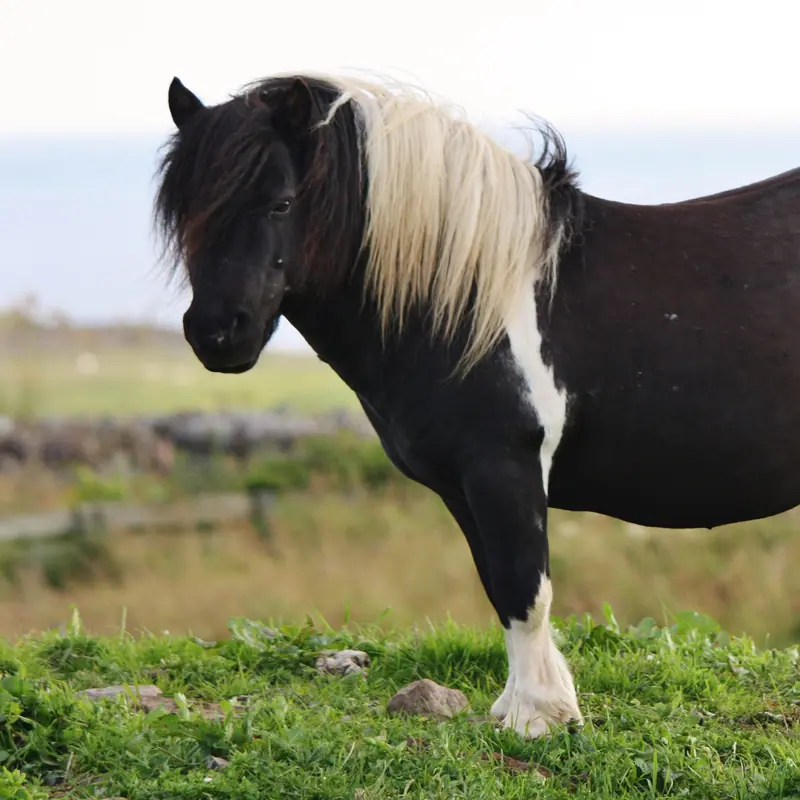
- ponies
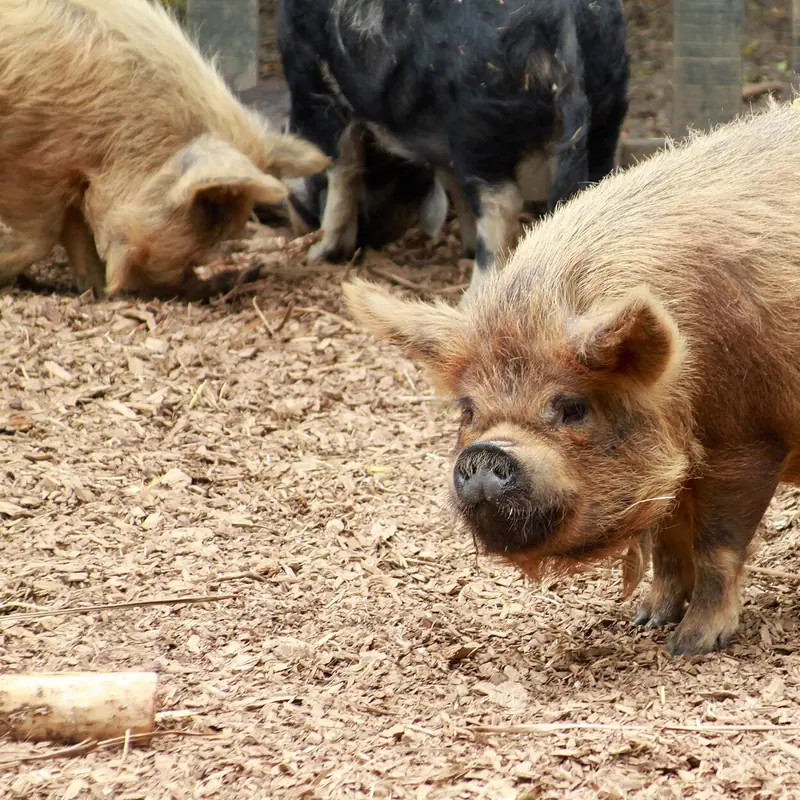
- pigs
- rabbits
- guinea fowl
Guest experience
- petting barn with sit-on-the-floor encounter spaces
- open feeding yard with keeper-supervised pellet stations
- small learning garden where children plant, water, and harvest
- pony walks for younger guests, on lead, slow pace
- story barn for keeper-led readings and welfare talks
Role in the zoo
A family anchor and the park's strongest school-program destination — the zone where the youngest guests have their first real animal encounter and where school groups spend the longest unbroken stretch of their visit.
Three pillars
01
Care
02
Learn
03
Connect
Points of interest
-
Welcome Barn
Arrival point with hand-washing stations, lockers, and a short orientation from a keeper before guests enter the animal areas.
-
Petting Yard
Open, low-fenced yard where the resident goats and sheep move freely among seated guests, with shaded resting nooks for the animals to retreat to on their own terms.
-
Pony Paddock
Small ring for lead-line pony walks and grooming demonstrations, with side viewing benches for waiting families.
-
Rabbit & Guinea Pig Hutch
Tabletop encounter station with rabbits and guinea pigs in keeper-held supervised contact — built at toddler height.
-
Pig Pen
Generous mud-and-straw enclosure for the resident pigs, with viewing only — the lesson is observation, not contact.
-
Learning Garden
Raised-bed kitchen garden where school groups plant seasonally and harvest at the end of their session, tied to a simple welfare-and-nutrition curriculum.
-
Feeding Station
Supervised dispenser where guests purchase keeper-approved pellets — funds flow back into animal-welfare programs and signage explains the loop.
-
Story Barn
Shaded indoor barn for keeper-led readings, husbandry talks, and small group lessons — a rest stop for sensory-sensitive guests as well.
-
Farmyard Cafe
Family cafe with picnic-bench seating, a kids' menu, and direct sightlines back into the petting yard.
-
Farm Gate Exit
Wash-and-go exit with full hand-washing stations and a quick keeper check-in for any lost-and-found items.
Highlights
- The zone where the youngest guests have their first real encounter with an animal that looks back at them
- Highest school-group throughput in the park, with curriculum built around welfare, nutrition, and gentle handling
- Every interaction is keeper-supervised and animal-led — the animals can always retreat
From the master plan
A first encounter, done carefully
For many young guests, the Children’s Farm is their first close-up encounter with a living animal that isn’t a pet or a screen. The zone is designed around that responsibility: small herds chosen for gentle disposition, paths sized for strollers and small legs, and keepers visible at every station.
Designed around three guest moments
The deck’s three verbs for this zone — Care · Learn · Connect — drive every design decision:
- Care — guests don’t just feed the animals, they learn what feeding for the animal means — portion control, body-language reading, and when to step back. Welfare is the lesson, not the backdrop.
- Learn — the learning garden ties food production back to the petting yard, and the story barn anchors keeper-led talks on husbandry and the longer story of how humans and farm animals have shaped each other for ten thousand years.
- Connect — the petting yard is the only zone in the park where contact is the point. Sit-on-the-floor design lets the goats and sheep close the distance on their own terms, which they do, reliably, all day.
Why this zone serves the school program
The Children’s Farm is the park’s anchor school-program destination because its lessons scale: a kindergarten class can spend a whole morning at the petting yard; a fifth-grade class can dig into the welfare curriculum; a high-school biology cohort can study domestication and breed selection — all in the same building, with the same animals, on the same day.