


Skip to content
Menu
Zone 11 Desert Trails

A sun-baked journey through dunes, canyons and resilient desert life

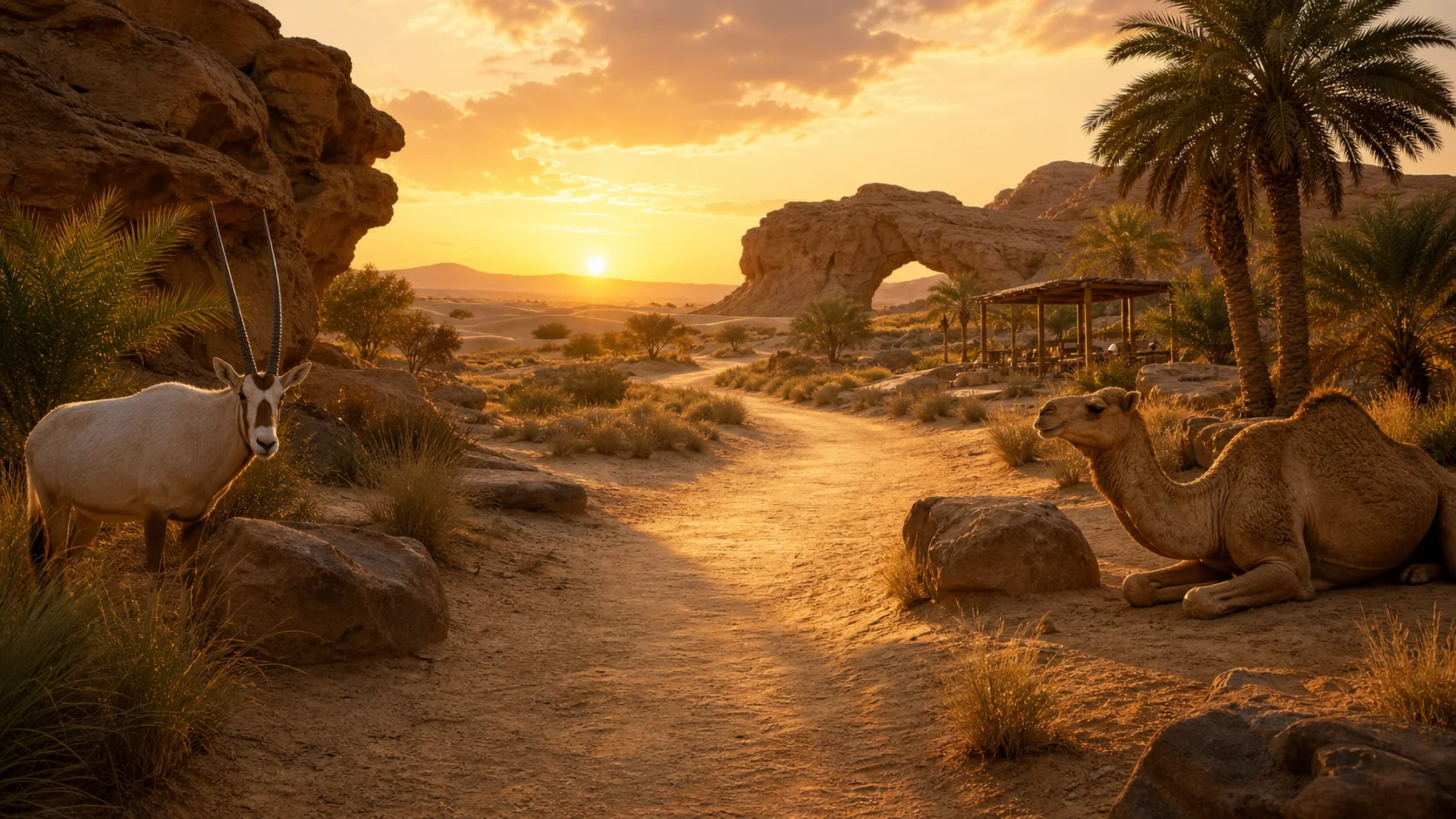
Desert Trails hero illustration — painted master-plan vignette
Signature species

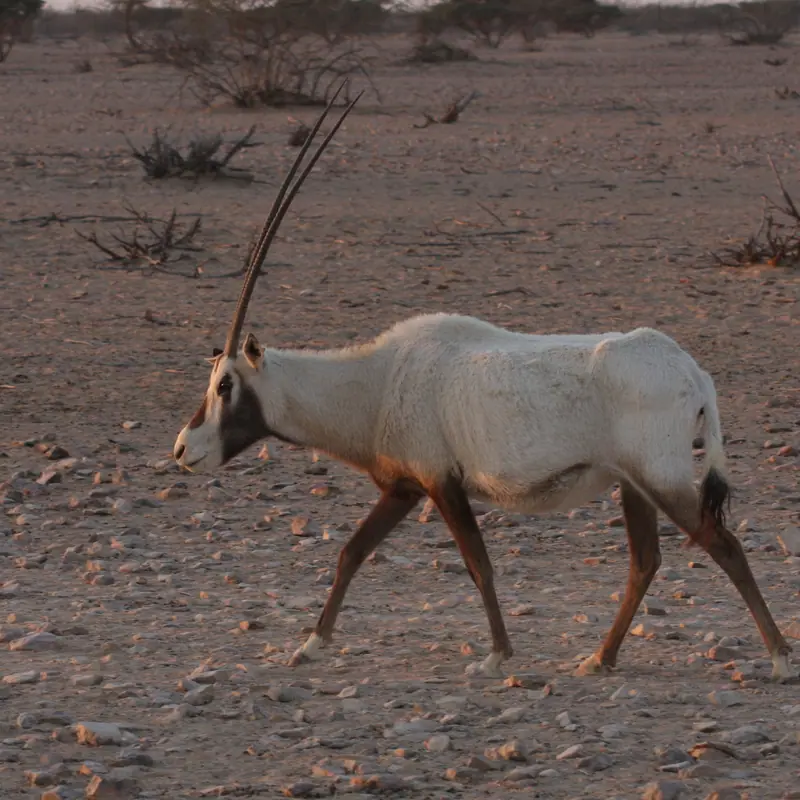
A desert ensemble

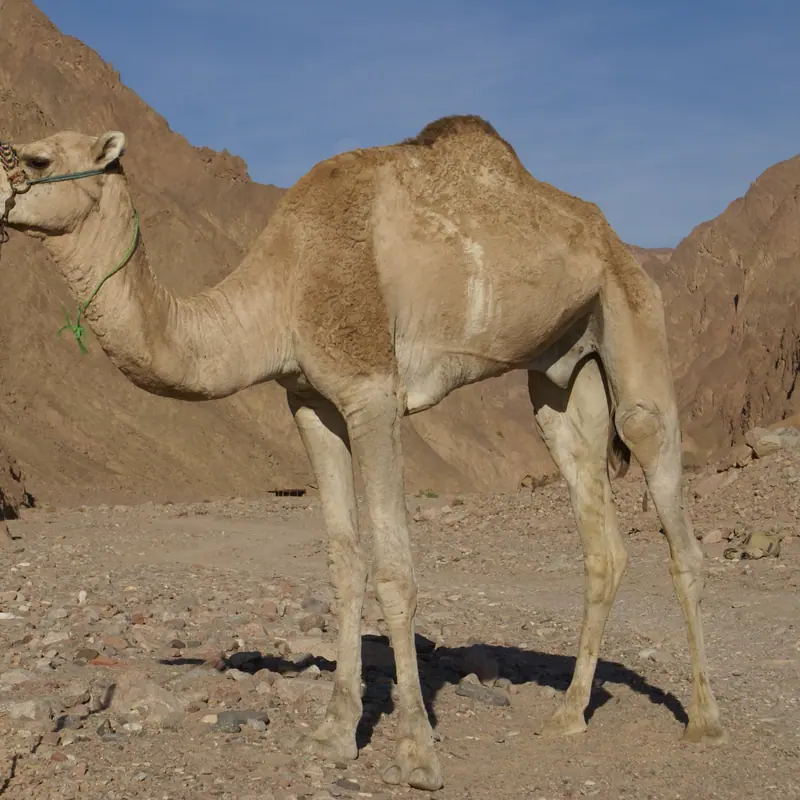
  • camels
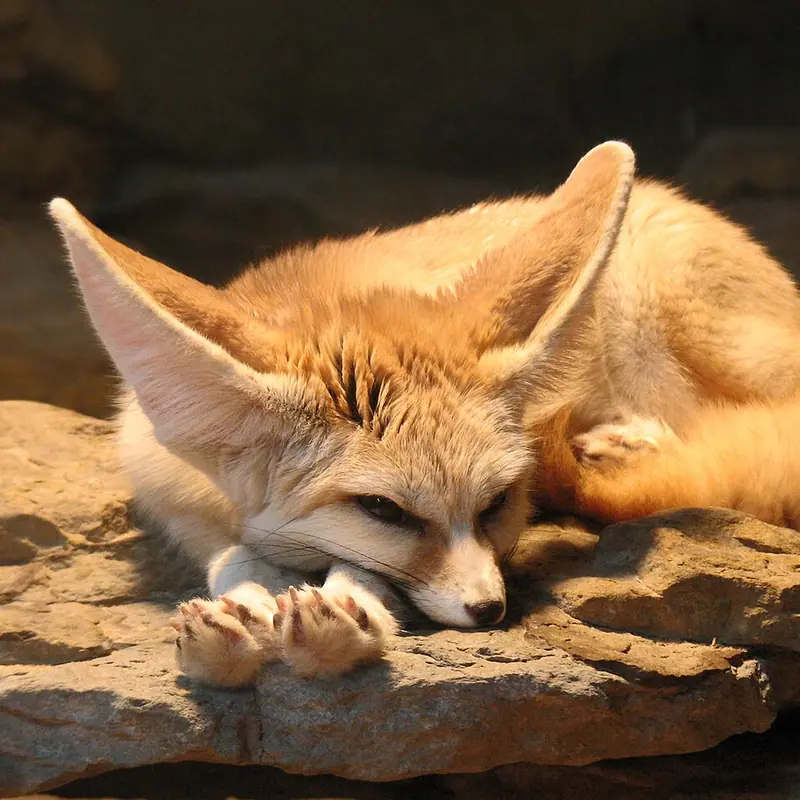
  • fennec foxes
  • meerkats
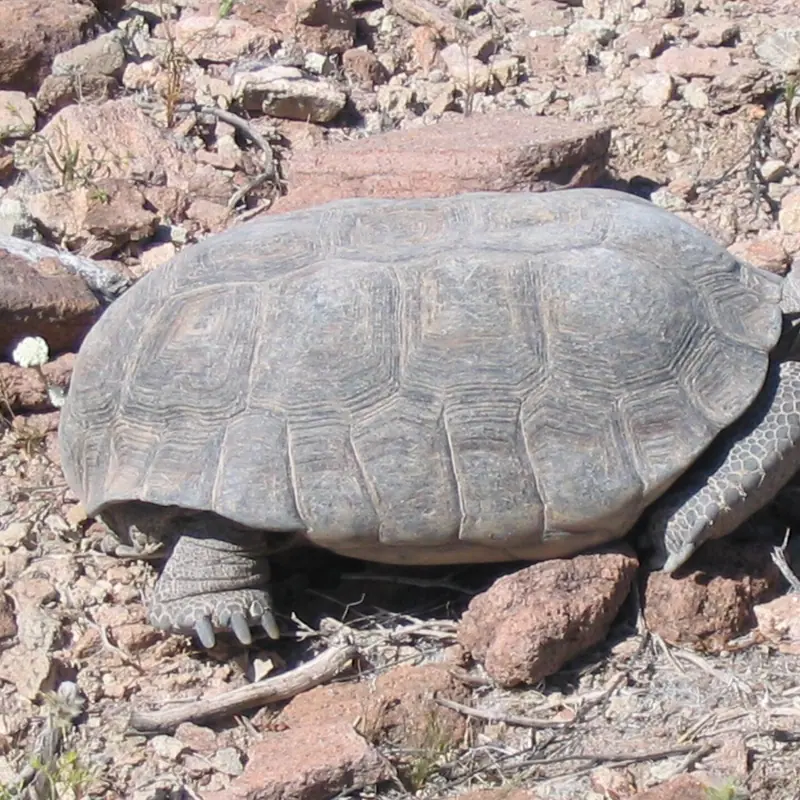
  • desert reptiles
Points of interest

Walk the caravan trail

  1. Camel Caravan Trail

    Wide sand-coloured spine path with rest stops styled as caravan way stations, threading the whole zone.

  2. Meerkat Mound

    Raised burrow habitat with multiple viewing windows at child height around the perimeter.

  3. Dune Photo Arch

    Set-piece sandstone arch framing a long sightline across the staged dune backdrop — the zone's flagship photo moment.

  4. Oasis Rest Court

    Shaded palm-lined courtyard with seating, water features, and refill stations — the zone's primary cool-down stop.

  5. Pinnacle Pass Arch

    Narrow canyon path between sculpted rock pinnacles, opening onto the fennec fox habitat.

  6. Saxoul Discovery Hut

    Field-station interpretive hut covering desert adaptation, water cycles, and ongoing conservation partners.

  7. Pyramid Cafe Ruin

    Themed sit-down dining pavilion shaped as a partial sandstone ruin, with shaded courtyard seating.

  8. Cactus Court

    Curated cactus and succulent garden with interpretive labels — a botanical sub-zone within the trails.

  9. Nomad Trading Post

    Retail tent styled after a desert caravan stop, carrying handcrafts and shaded rest seating.

  10. Desert Station

    Zone train stop styled as a remote desert depot, connecting Desert Trails into the wider park loop.

Guest experience

What a day here feels like

  • winding shade structures
  • oasis stops
  • keeper talks
  • scenic stacks and overlooks
Role in the zoo

Why this zone matters

Adds variety and a strong geographic transition between zones — a sand-and-stone bridge that resets the senses between greener lands.
Three pillars

The deck's three verbs

Roam
Discover
Adapt
Highlights

Worth a second look

  • Curated geographic transition zone — a deliberate palette break between greener lands
  • Three flagship desert species across distinct micro-habitats (mound, canyon, dune)
  • Shaded oasis court and pyramid ruin cafe designed for hot-day comfort
From the master plan

Desert Trails

A palette break in the middle of the journey

Desert Trails is the master plan’s deliberate geographic transition — a sand-and-stone bridge that resets the senses between the greener, wetter zones on either side. The deck stages a sun-baked walk through dunes, narrow canyons, and a shaded central oasis, with three flagship species — camels, fennec foxes, and meerkats — interpreted at each turn alongside desert reptiles.

Designed for heat, designed for dwell

The deck reads this zone as functionally demanding: it needs to host guests in genuinely hot weather while feeling thematically inviting. The master plan answers with layered shade (the Camel Caravan Trail’s covered way stations, the Pyramid Cafe Ruin courtyard, the Oasis Rest Court palms) and frequent water cues (fountains, refill stations, oasis vignettes) so the climate becomes part of the show rather than a barrier to it.

Designed around three guest moments

The deck’s three verbs for this zone — Roam, Discover, Adapt — drive every design decision:

  • Roam — wander scenic desert paths and discover wildlife built for survival, with set-piece moments at the Dune Photo Arch and Pinnacle Pass.
  • Discover — uncover unique adaptations and cultural stories in an immersive setting, anchored at the Saxoul Discovery Hut.
  • Adapt — inspire respect for desert life and the need to protect it, through interpretation woven into every viewing platform.

Why this zone earns its place

Desert Trails isn’t trying to be the day’s blockbuster. Its job is contrast and pacing — a palette break that makes the lush rainforest behind and the calmer botanical garden ahead read more strongly. It does that with a coherent regional identity and enough headline animals to hold a half-hour comfortably.