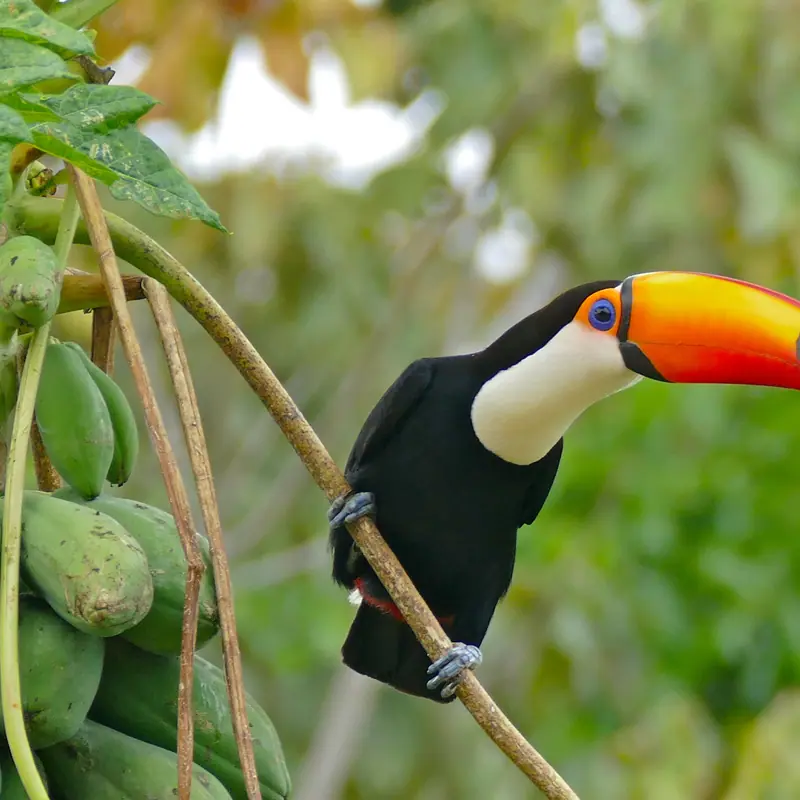
Signature character
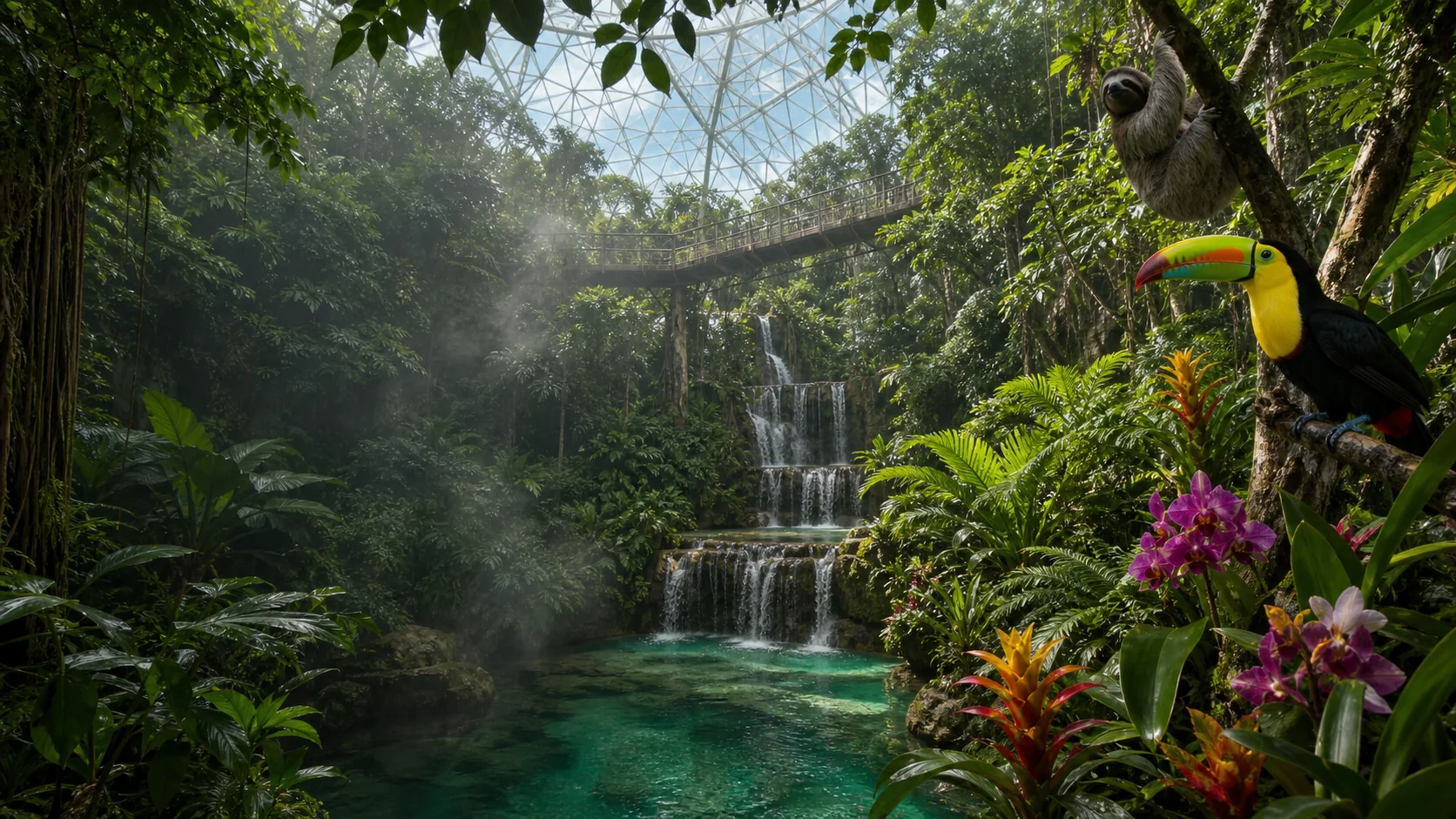
A free-span glass dome staged as a single continuous canopy — tropical immersion, lush planting, real humidity, and a cathedral roofline that doubles as the park's all-weather refuge.
All-Weather Glass Dome Indoor Biome
◆
Guest experience
- humid paths through layered canopy
- elevated canopy bridge views
- close-up wildlife discovery
- mist-tunnel acclimatization on entry
- learning station with live keeper rotations
◆
Role in the zoo
Adds indoor, all-weather adventure and biodiversity storytelling — the one zone in the park that performs identically in a downpour, a heatwave, and the dead of winter.
◆
Zone highlights
- All-weather adventure — comfortable, rain or shine
- Immersive rainforest — sights, sounds, and truly the smell of damp leaf litter
- Close-up wildlife — unique species in their natural-form micro-habitats
- Conservation in action — works that inspire real stewardship
- Family favorite — engaging for all ages, all ability bands
◆
Points of interest
Numbered against the cartographic vignette above.
-
1 Canopy Bridge
Elevated walkway with views across the dome's canopy — the canonical "we are in the rainforest" sightline.
-
2 Waterfall Lookout
Scenic viewpoint over a multi-tier cascade that drives the dome's humidity cycle and ambient soundtrack.
-
3 Mist Tunnel
Threshold experience on entry — a curtain of fine mist cools guests and primes them for the rainforest climate without breaking immersion.
-
4 Sloth Sanctuary
Quiet, low-traffic habitat purpose-built around two-toed sloth ethology — slow lighting, slow guest flow, slow soundscape.
-
5 Frog House
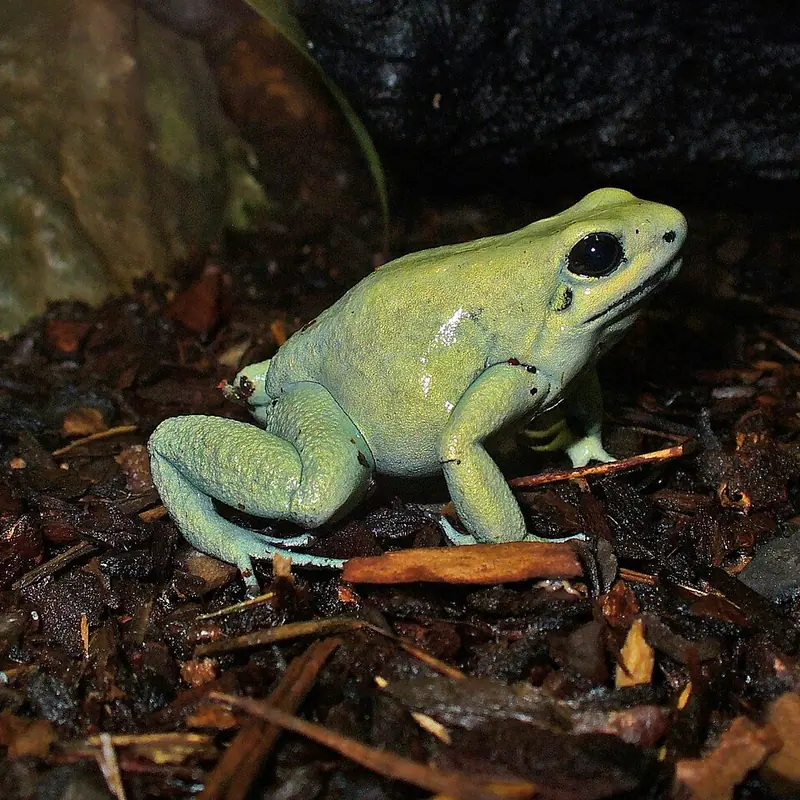
Indoor cluster of micro-habitats for poison-dart and tree frogs, including breed-and-release programs with named field partners.
-
6 Learning Station
Interactive exhibit and live keeper-talk space dedicated to rainforest biodiversity, soil ecology, and climate threat.
-
7 Orchid Court
Heritage-collection greenhouse-within-the-dome showcasing rare and endangered orchids — most of which were genuinely once headed for extinction.
-
8 Rainforest Cafe
Tropical-menu cafe seated under the canopy edge; sustainable supply lines for chocolate, coffee, and palm-oil-free everything.
-
9 Dome Gift Shop
Conservation-tilted retail with the dome's brand storytelling, plant-curiosity books, and a notable adoption desk for sloths and frogs.
-
10 Zoo Train Stop
Loop-line platform integrated with the dome's south entrance — guests can hop on toward Polar Arctic Bay or back toward Primate Forest.
◆
From the master plan
A cathedral with a climate
The Tropical Rainforest Dome is the park’s signature architectural zone —
the only place in the master plan where the building itself is the headline
character. A long-span glass cathedral encloses a multi-story canopy that runs
its own weather: real humidity, real waterfalls, the real chorus of tree frogs
at dusk. The dome was specified to read as a single continuous biome the moment
a guest steps through the mist tunnel, not as a series of indoor exhibits with
plants in between.
A zone built around three verbs
The master plan threads three pillars through every guest decision in the dome
— Immerse, Discover, Protect:
- Immerse — entry is engineered to break with the rest of the park.
The mist tunnel, the temperature shift, the soundtrack, the canopy overhead;
by the time a guest reaches the Waterfall Lookout, the city outside has gone
quiet.
- Discover — sloths, frogs, orchids, and the keepers who steward them are
staged for unhurried encounters. The Learning Station rotates content quarterly
so a returning guest finds new threads to pull.
- Protect — every adoption certificate sold at the gift shop is matched to
a named field partner working on the species it depicts. The Frog House runs
a real breed-and-release pipeline; the dome’s purchase of palm-oil-free
supply is a contractual obligation, not a marketing claim.
Why the dome anchors the indoor day
The Tropical Rainforest Dome is the master plan’s answer to the question every
honest zoo project must face: what happens on a bad-weather day? The dome
runs identically through downpour, heatwave, and winter chill. It is also the
zone families return to most often on multi-day visits — the kind of place
where guests slow down and unintentionally learn the most.
◆