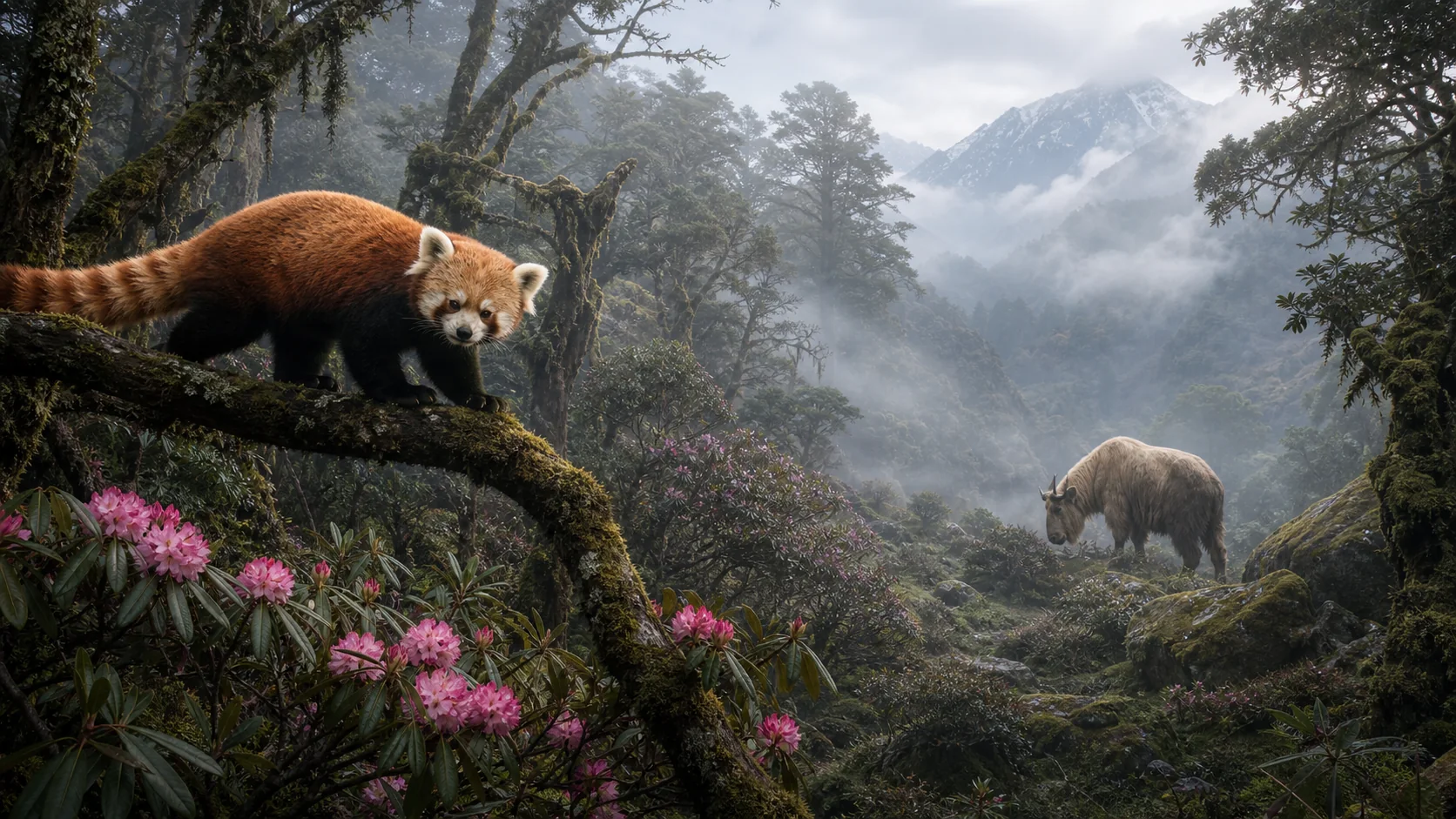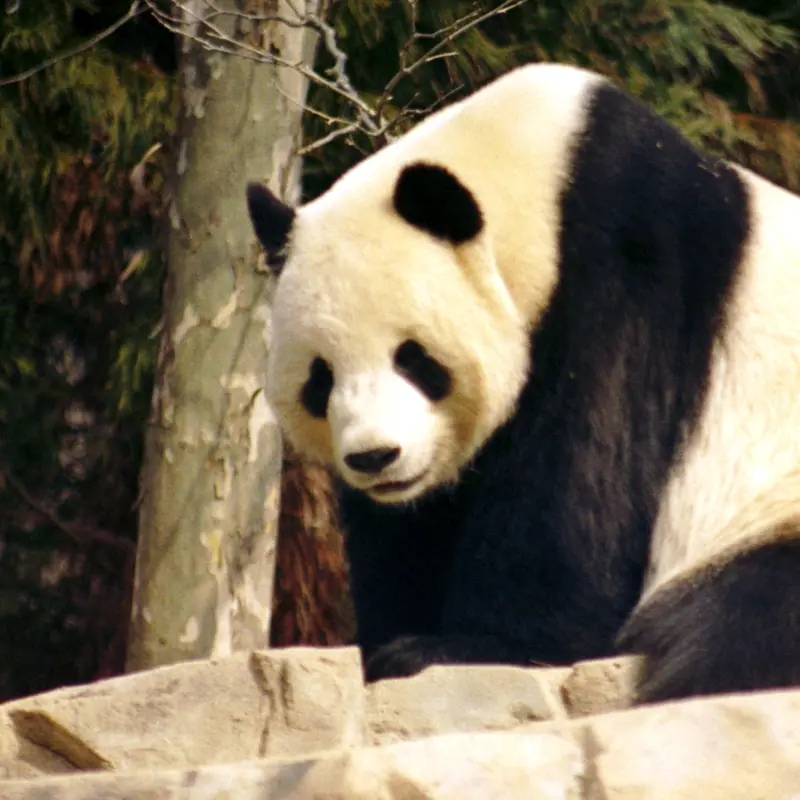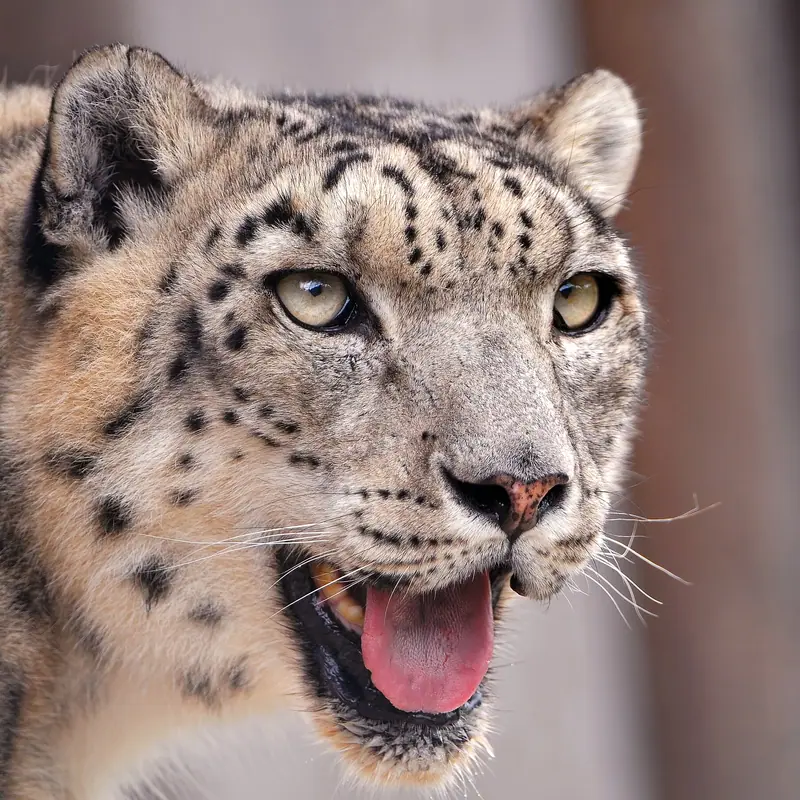

Animal Directory Featured species in the planned Asian Highlands habitat
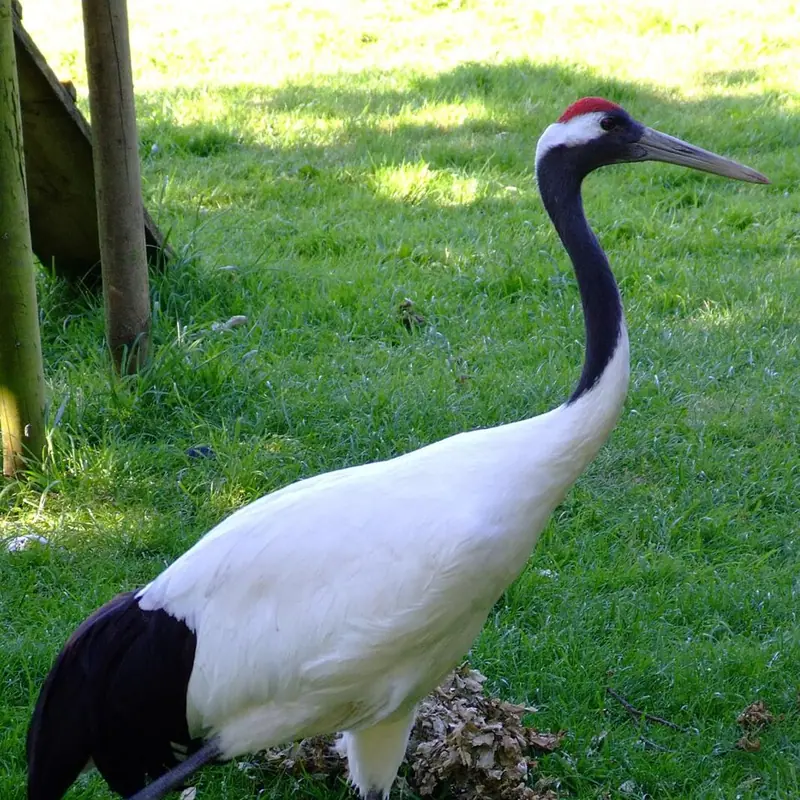
Photo: Charles Miller from Basingstoke, United Kingdom CC BY 2.0 Wikimedia Commons
Red-crowned Crane
Grus japonensis
Young Explorer Notes
Three quick things to know about the Red-crowned Crane.
- Superpower
The bright red crown is bare skin, not feathers — it flushes brighter during courtship and threat displays.
- Home
Mountain paths, mist, and highland meadows.
- How to help
Friends who need our help
Vulnerable means they could disappear if we do not protect their homes.
Fun facts for everyone
- The bright red crown is bare skin, not feathers — it flushes brighter during courtship and threat displays.
- One of the rarest cranes on Earth, with around 2,800-3,300 mature individuals split between a migratory mainland population and a resident Japanese population on Hokkaido.
- Mates for life and reaffirms the bond with synchronised "unison calls" and graceful leaping dances, both of which feature in Japanese, Korean, and Chinese symbolism of longevity.
- Stands roughly 1.5 m tall with a wingspan up to 2.5 m, making it one of the largest crane species in the world.
- IUCN listed as **Vulnerable**; populations are recovering slowly thanks to winter-feeding programmes in Japan but remain dependent on a handful of wetland sites.
From the master plan
The Red-crowned Crane gives Crane Wetland its name at the eastern edge of Asian Highlands. The constructed wetland sequence — shallow pools, sedge banks, and a reed-screened viewing blind — is sized so a small flock can perform full courtship dances within sightline of the path.
IUCN status sourced from the Red-crowned Crane assessment (BirdLife International, 2018) on the IUCN Red List —
Grus japonensislisted as Vulnerable with a small but stable global population.
Find them in