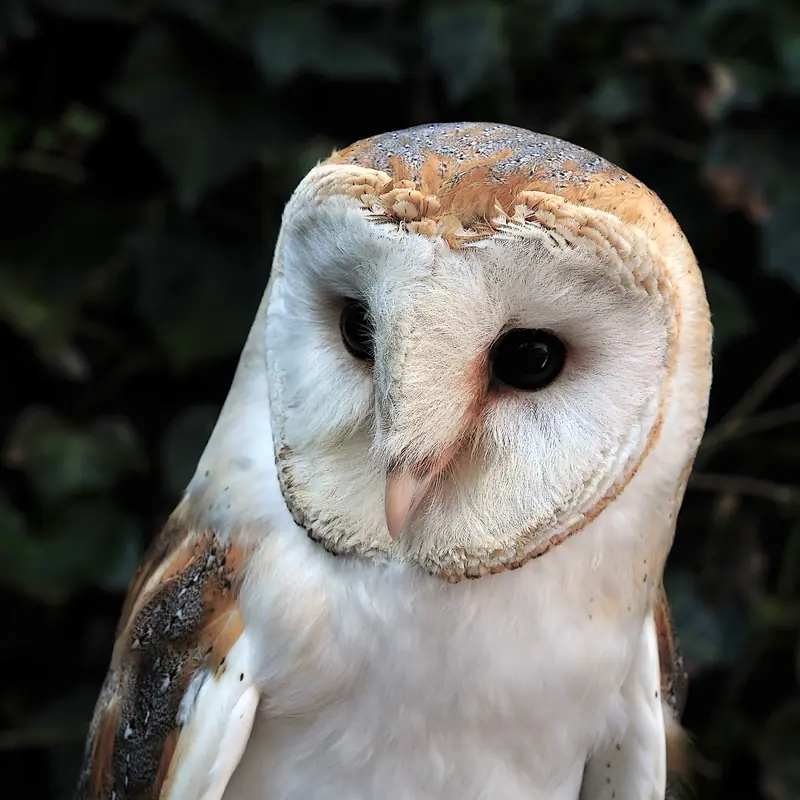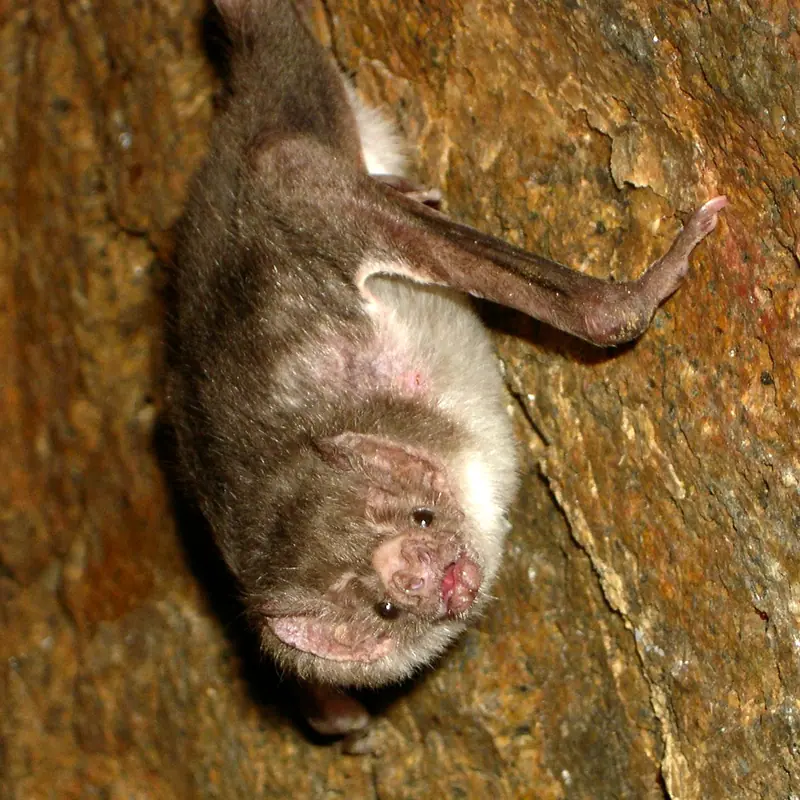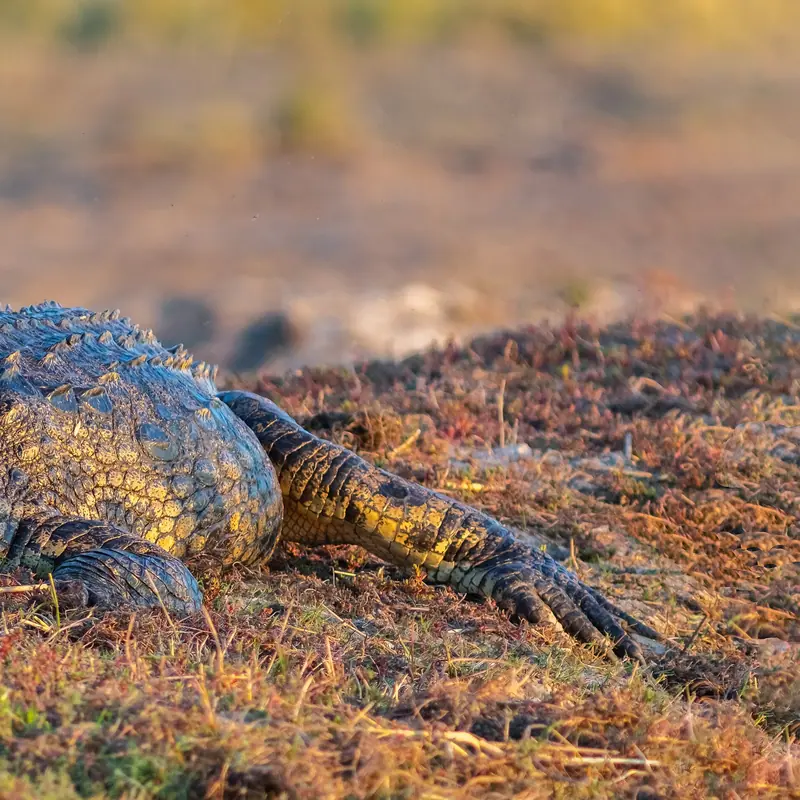

Animal Directory Featured species in the planned Reptile & Nocturnal House habitat
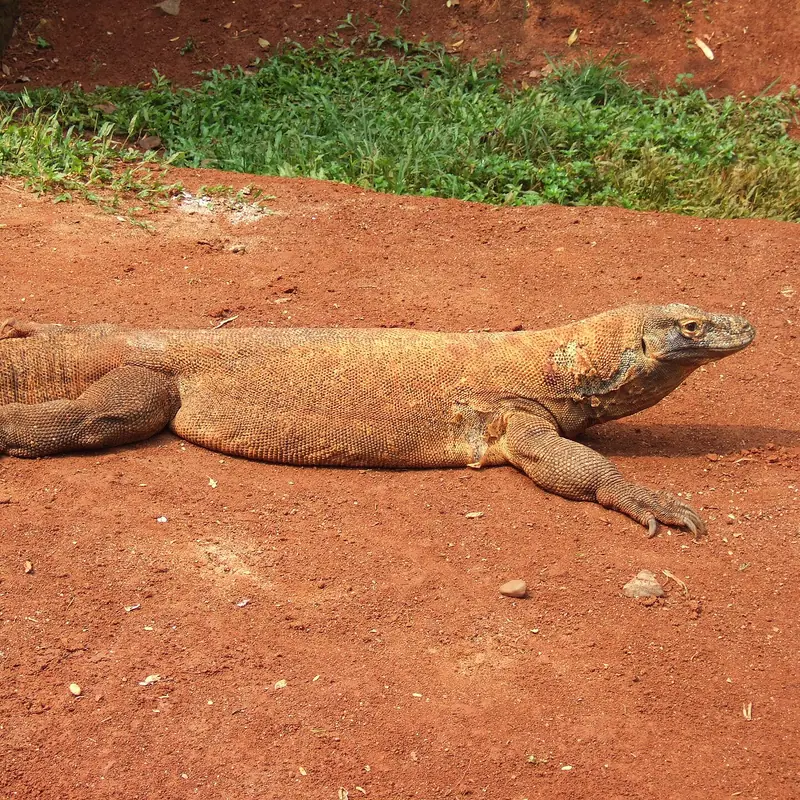
Photo: Midori CC BY-SA 3.0 Wikimedia Commons
Komodo Dragon
Varanus komodoensis
Young Explorer Notes
Three quick things to know about the Komodo Dragon.
- Superpower
The largest living lizard — adults reach 3 metres and 90 kg, big enough to bring down water buffalo many times their …
- Home
A cool, moonlit world for reptiles and night hunters.
- How to help
Endangered — heroes needed!
Zoos and conservation teams work together to save endangered animals and their habitats.
Fun facts for everyone
- The largest living lizard — adults reach 3 metres and 90 kg, big enough to bring down water buffalo many times their own weight.
- Has a complex venomous bite; glands in the lower jaw release anticoagulants that send prey into rapid, irreversible shock.
- Found wild on only five Indonesian islands — Komodo, Rinca, Padar, Gili Motang, and the western tip of Flores.
- Female Komodo dragons can reproduce without a male via parthenogenesis, producing male-only offspring from unfertilised eggs.
- IUCN reassessed the species as Endangered in 2021, with rising sea levels from climate change projected to shrink its already tiny island habitat.
From the master plan
The Komodo Dragon presides over the planned Reptile & Nocturnal House’s Komodo Corner — a dedicated enclosure for the world’s largest lizard, themed around the volcanic ridges of its native Indonesian islands.
IUCN status sourced from the Komodo Dragon (Varanus komodoensis) assessment (Jessop et al., 2021) on the IUCN Red List — uplisted from Vulnerable to Endangered in September 2021.
Find them in
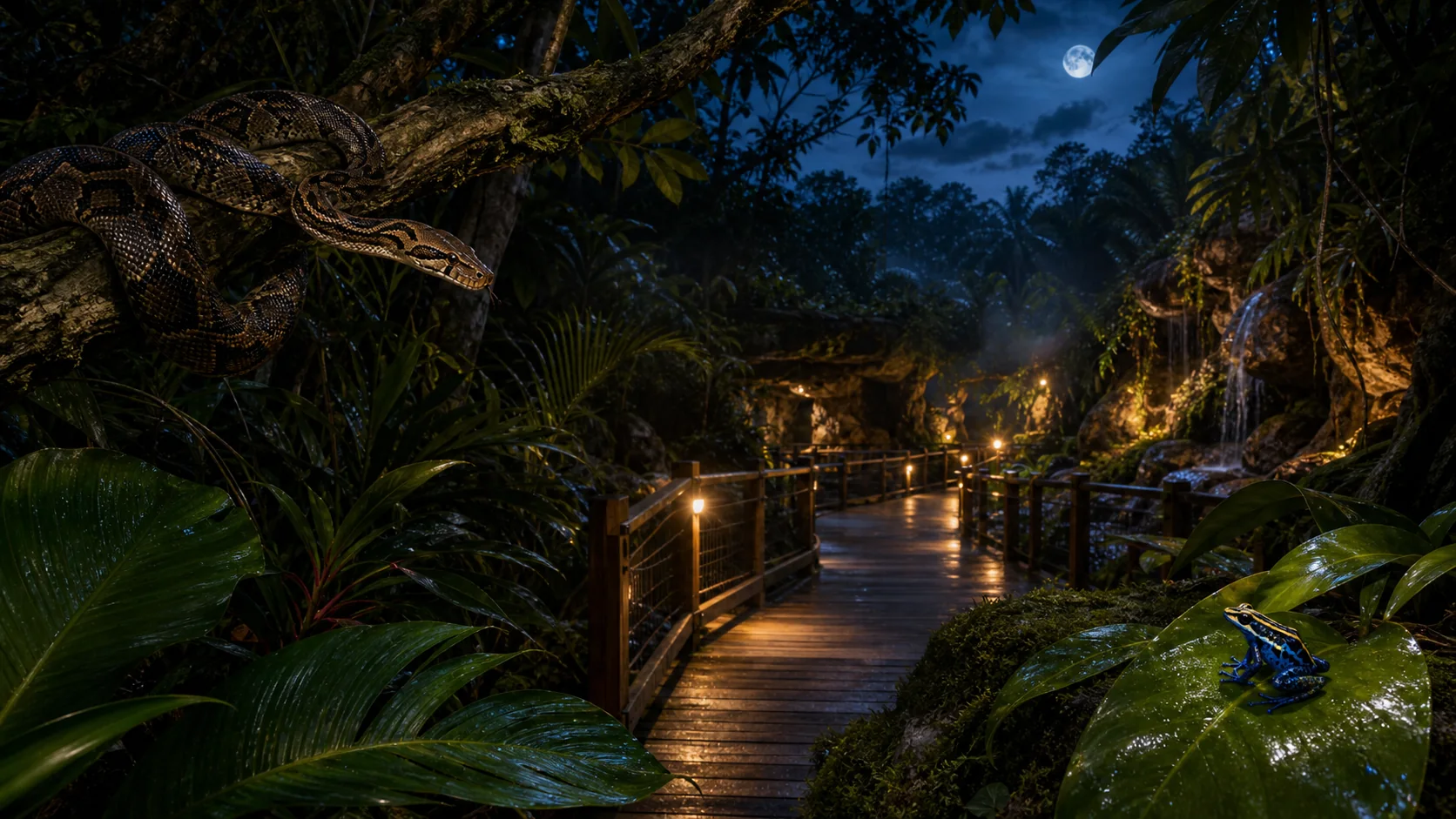
Reptile & Nocturnal House
A mysterious indoor world of scales, stealth and after-dark discovery
Visit Reptile & Nocturnal House