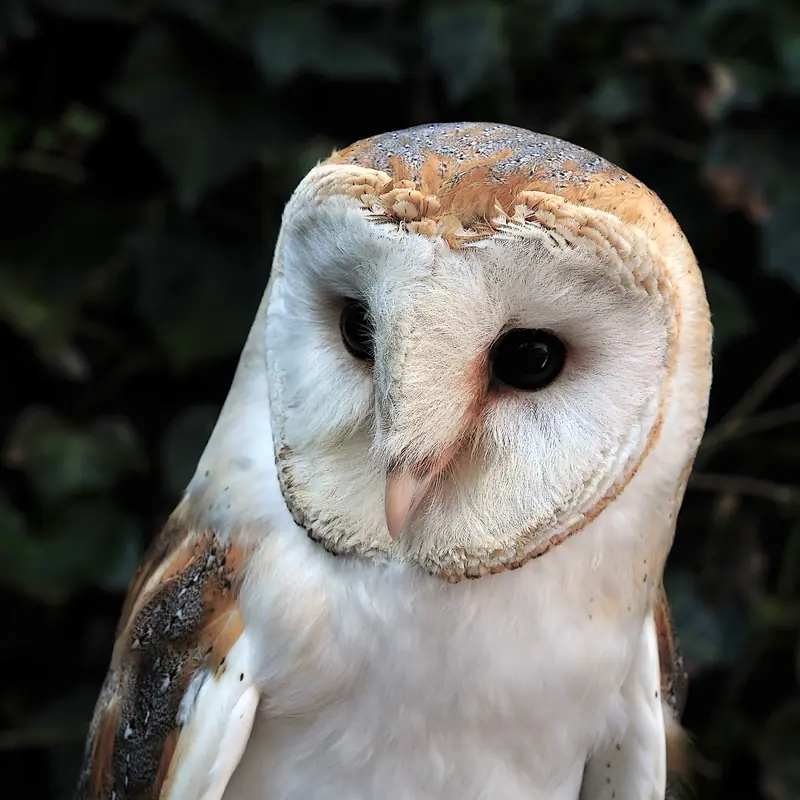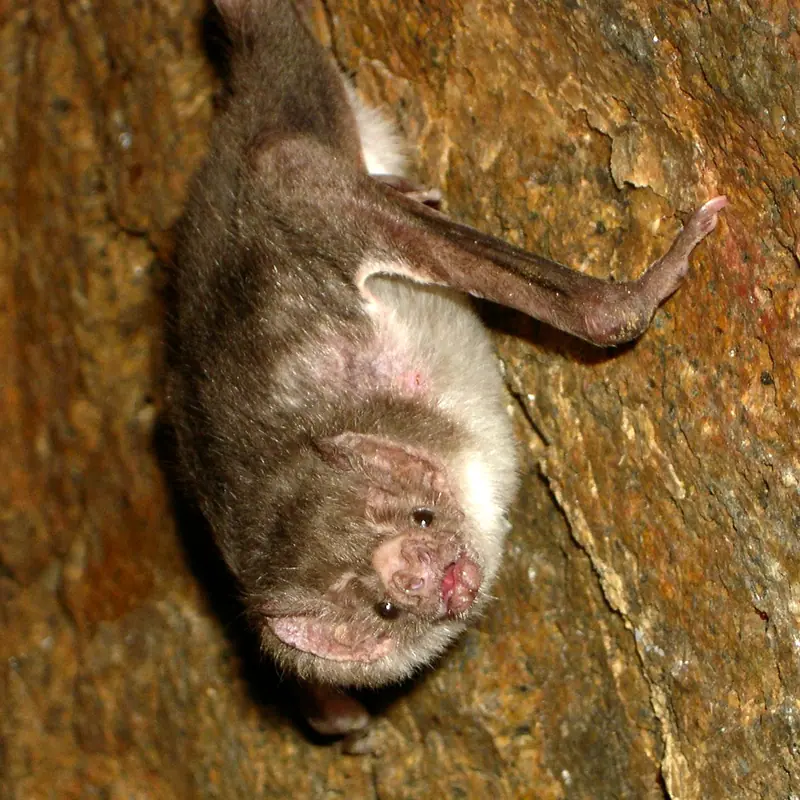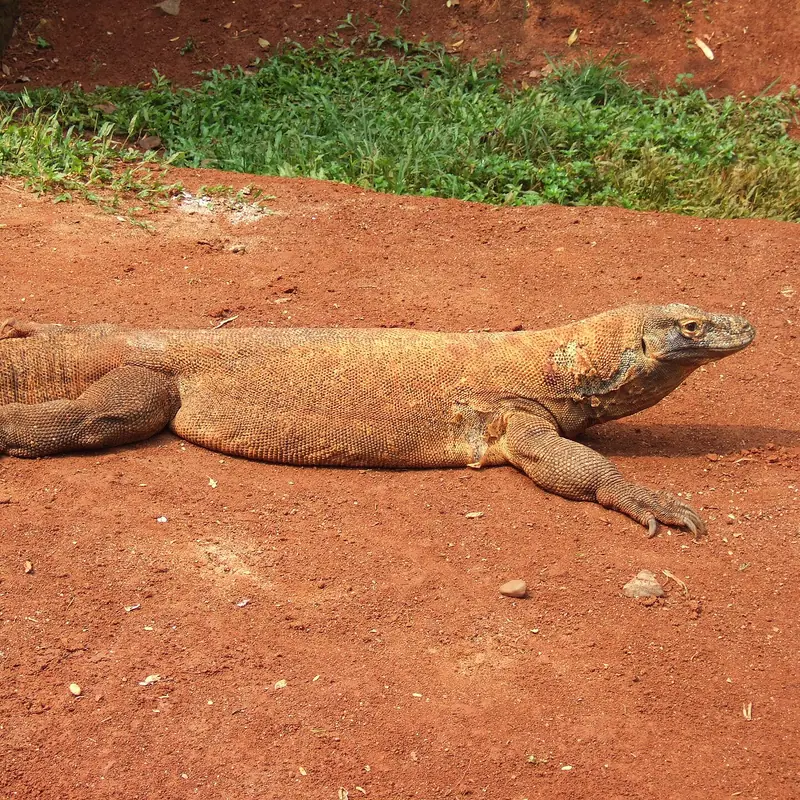

Animal Directory Featured species in the planned Reptile & Nocturnal House habitat
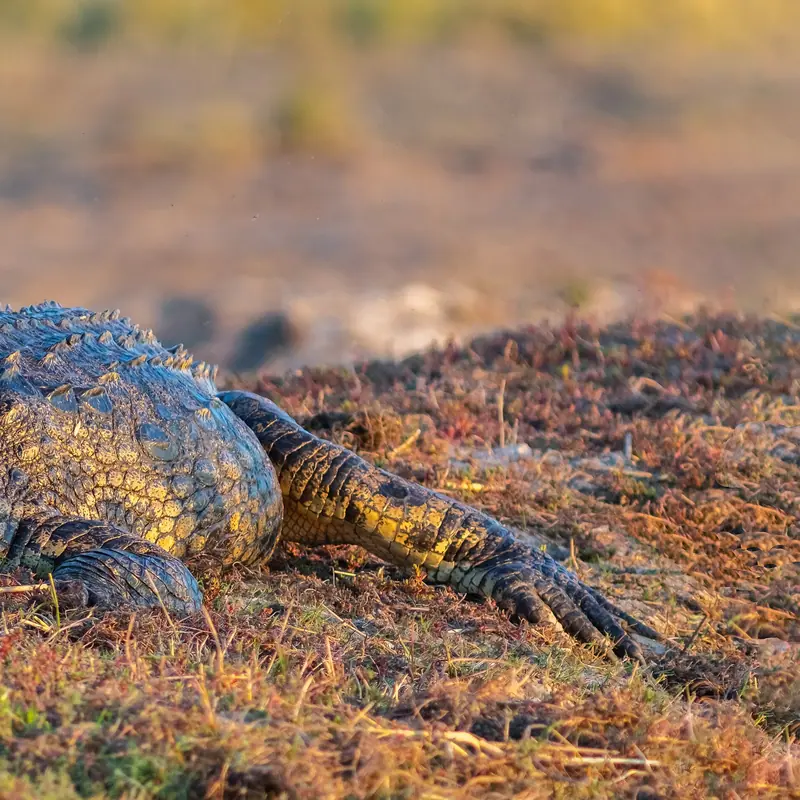
Photo: Diego Delso CC BY-SA 4.0 Wikimedia Commons
Nile Crocodile
Crocodylus niloticus
Young Explorer Notes
Three quick things to know about the Nile Crocodile.
- Superpower
The second-largest living reptile — only the Saltwater Crocodile is bigger — with old males reaching 5 metres and ove…
- Home
A cool, moonlit world for reptiles and night hunters.
- How to help
Doing great in the wild!
Scientists say this species is safe for now. We still learn about them to keep it that way.
Fun facts for everyone
- The second-largest living reptile — only the Saltwater Crocodile is bigger — with old males reaching 5 metres and over 700 kg.
- Has the strongest measured bite of any living animal at over 5,000 psi, but the muscles that open the jaw are so weak a human hand can hold them shut.
- Mother crocodiles are remarkably attentive — they carry their newly-hatched young to the water gently in their jaws.
- Crocodile lineage is over 200 million years old; their body plan was already perfected before the first dinosaurs walked.
- IUCN lists the species as Least Concern, a recovery success story after sustained-use conservation programmes from the 1970s onward.
From the master plan
The Nile Crocodile anchors the planned Reptile & Nocturnal House’s Crocodile Pool — a naturalistic lagoon where guests view both above and below the waterline, watching one of evolution’s longest-running designs at rest.
IUCN status sourced from the Nile Crocodile (Crocodylus niloticus) assessment (Isberg et al., 2019) on the IUCN Red List — listed as Least Concern with a stable global population.
Find them in
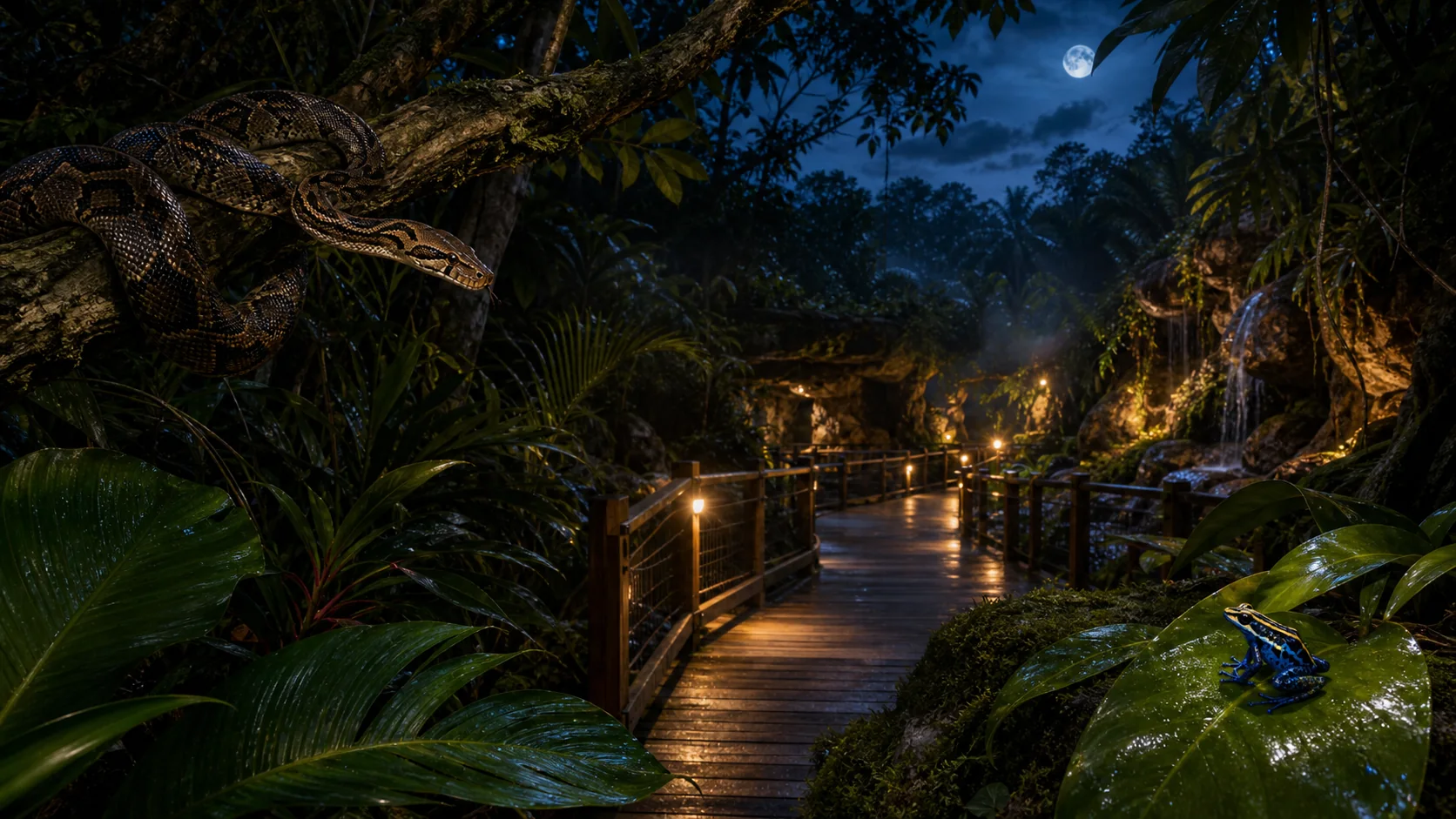
Reptile & Nocturnal House
A mysterious indoor world of scales, stealth and after-dark discovery
Visit Reptile & Nocturnal House