

Signature character
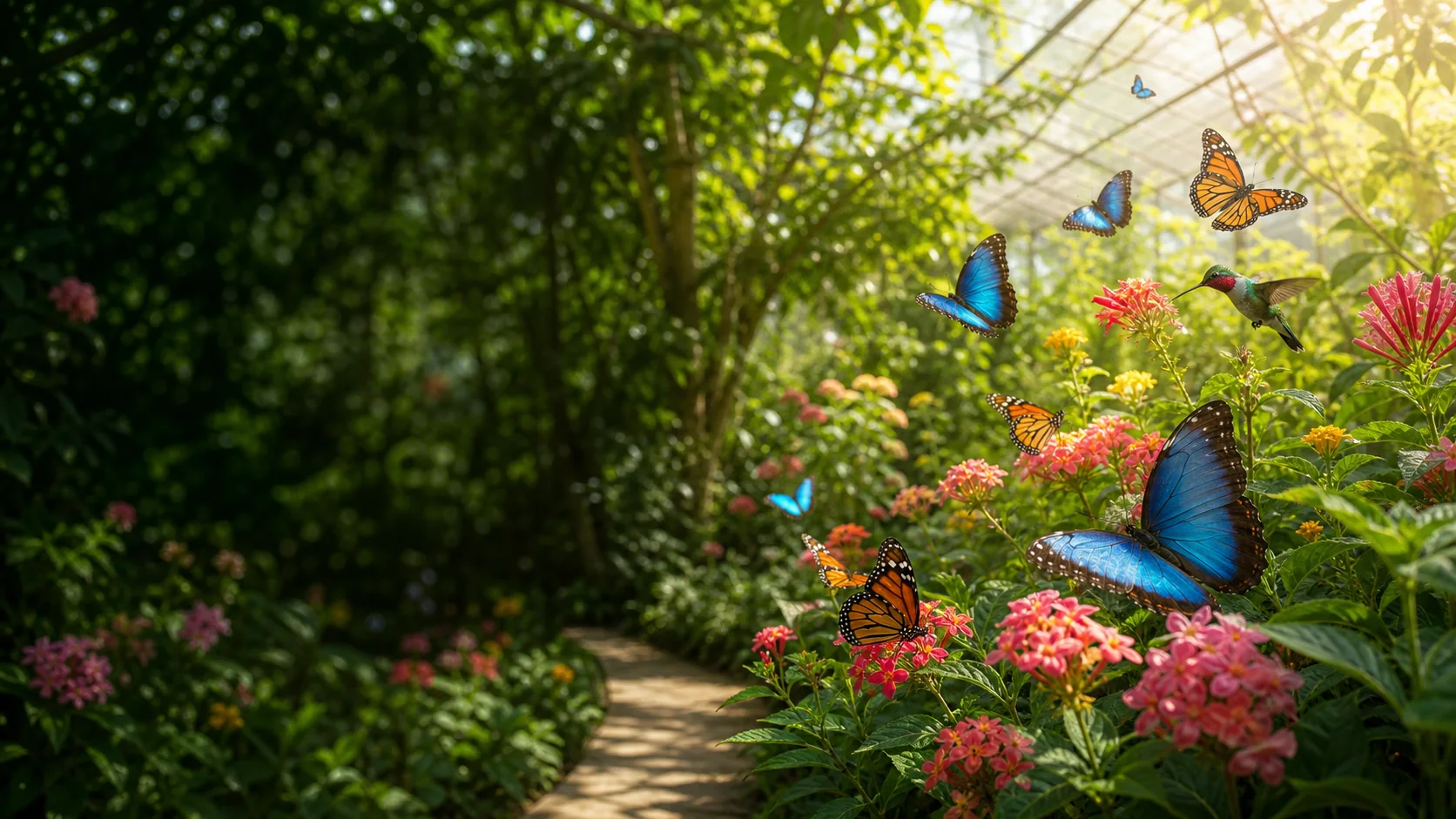
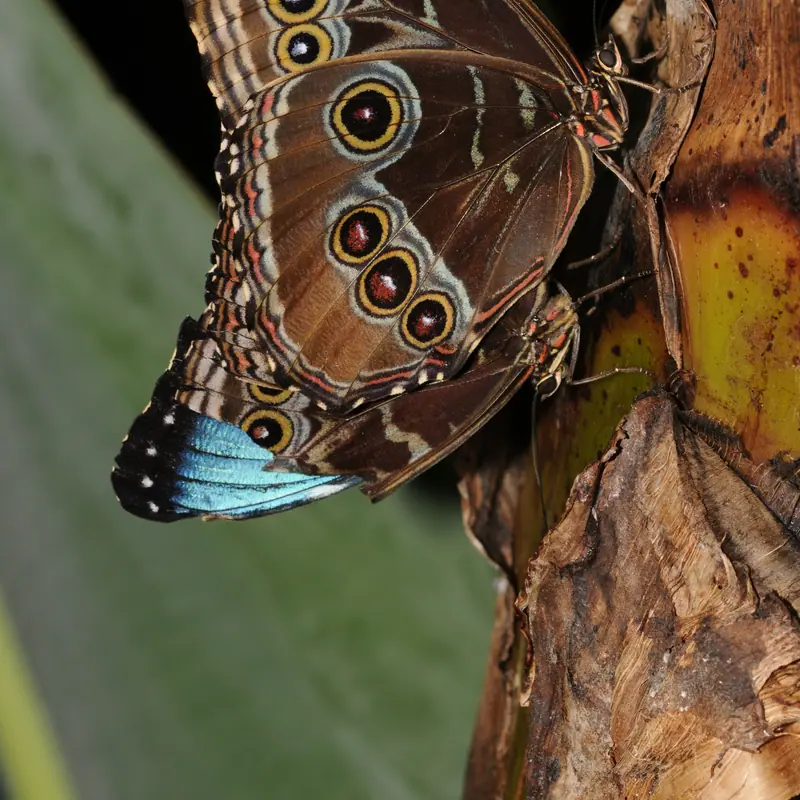
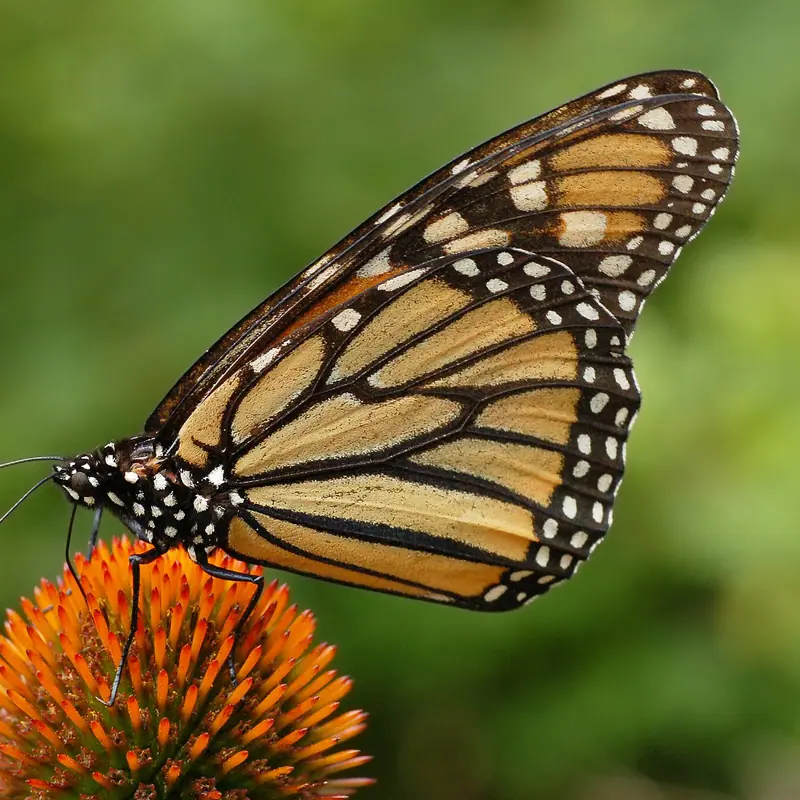
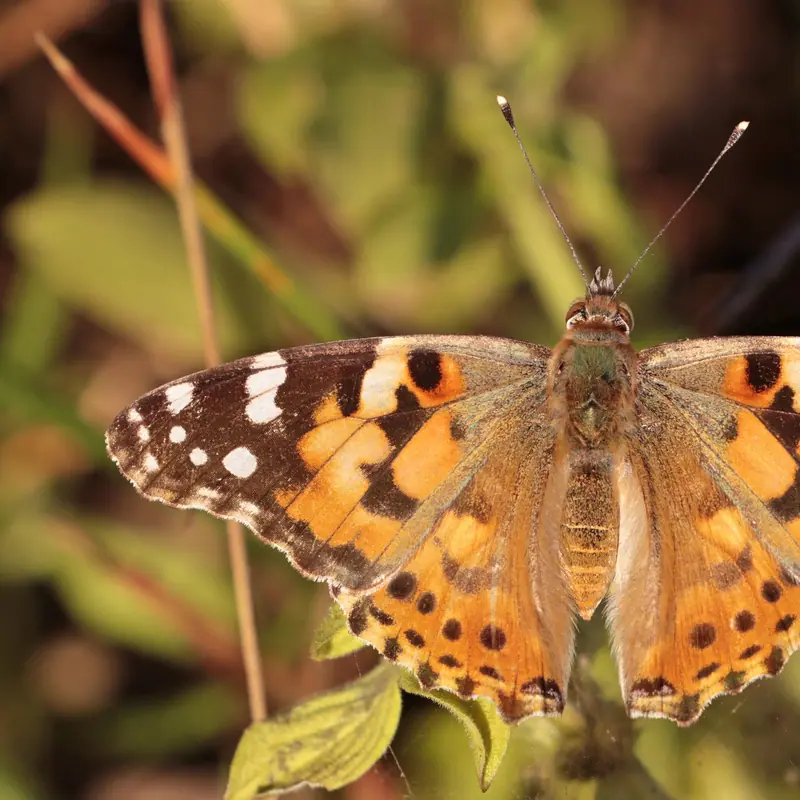
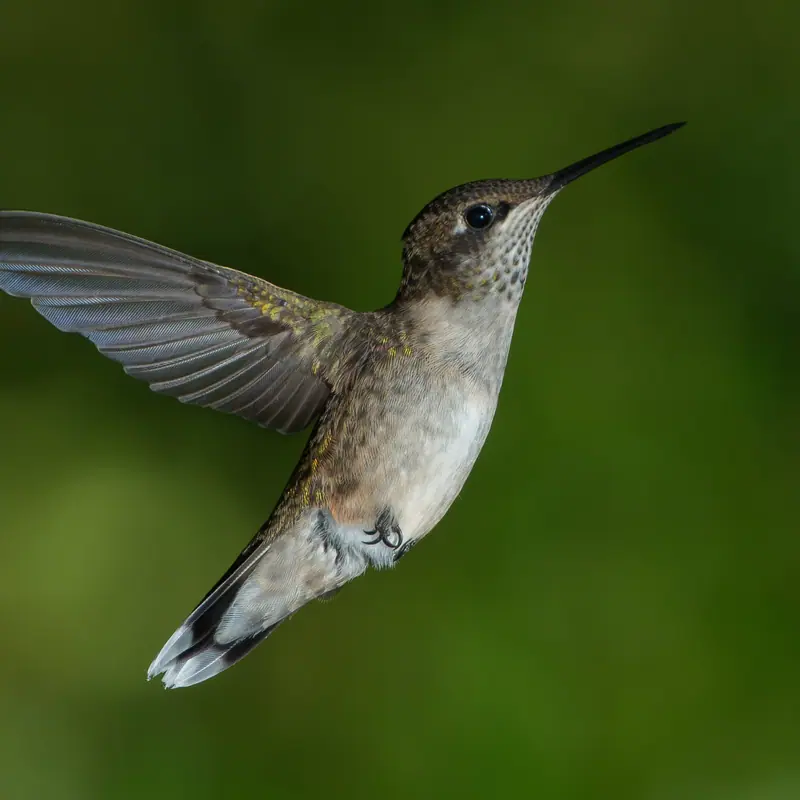
Pollinators — butterflies, bees, and hummingbirds — staged as the living protagonists of the zone, with monarchs, swallowtails, and blue morphos as the headline performers.
Guest experience
- walk-through garden of host and nectar plants
- colorful photo moments framed by floral arches
- quiet, unhurried strolling on shaded gravel paths
- family-led discovery of life cycles, from egg to wing
- chrysalis displays with hatching windows
Role in the zoo
A peaceful transition zone between the bigger habitats — a low-stimulation, high-beauty pause that doubles as a working classroom for pollinator conservation.
Three pillars
01
Bloom
02
Wonder
03
Protect Pollinators
Points of interest
-
Nectar Path
The garden's main loop, planted in successive blooms so every guest visit, in any season, walks through color.
-
Butterfly House
Glass-domed central conservatory holding the free-flying butterflies — temperature- and humidity-controlled, with shallow water dishes at ankle height for safe landings.
-
Chrysalis Lab
Glassed-in pupation wall where guests can watch chrysalises form and butterflies emerge in real time, alongside keeper-led talks twice daily.
-
Pollinator Meadow
Open wildflower planting designed for native bees and hummingbirds, with low benches and identification cards keyed to what's in bloom this week.
-
Lily Pond
Small reflective pool seeded with water lilies and pollinator-friendly marginals — a quiet anchor at the garden's eastern edge.
-
Floral Arch Photo Spot
Living wisteria-and-jasmine arch sized for family photographs and small wedding-style portraits.
-
Garden Tea Kiosk
Light refreshments — herbal teas, edible-flower pastries — served at small bistro tables shaded by climbing roses.
-
Butterfly Gifts
Compact retail tucked at the exit, focused on pollinator-garden seed packs, field guides, and locally crafted botanical illustrations.
-
Garden Station
Boarding stop for the in-park zone train, sized small to keep the garden's quiet character intact.
Highlights
- One of the gentlest sensory experiences in the park — designed for guests who want beauty without spectacle
- Working pollinator-conservation site, not just a display — every plant choice supports native species
- Doubles as a school-program anchor, with curriculum tying life-cycle observation to broader habitat science
From the master plan
A quieter chapter in the journey
After the open plains and big-cat ridges, the Butterfly Garden offers something the park otherwise withholds: a moment of stillness. Guests slow down by design — the paths are gravel, the benches are frequent, the sightlines are short, and the only soundtrack is wing-beats and water.
Designed around three guest moments
The deck’s three verbs for this zone — Bloom · Wonder · Protect Pollinators — set the rhythm:
- Bloom — celebrate the beauty of nature through vibrant blooms and living color, with a planting plan that rotates through the seasons so the garden is never twice the same.
- Wonder — spark curiosity and joyful discovery for visitors of all ages, framed by the chrysalis lab where transformation happens in plain sight.
- Protect Pollinators — inspire action to support butterflies, bees, and every shared future they pollinate, with on-site keepers explaining the conservation stakes in plain language.
The character at the center
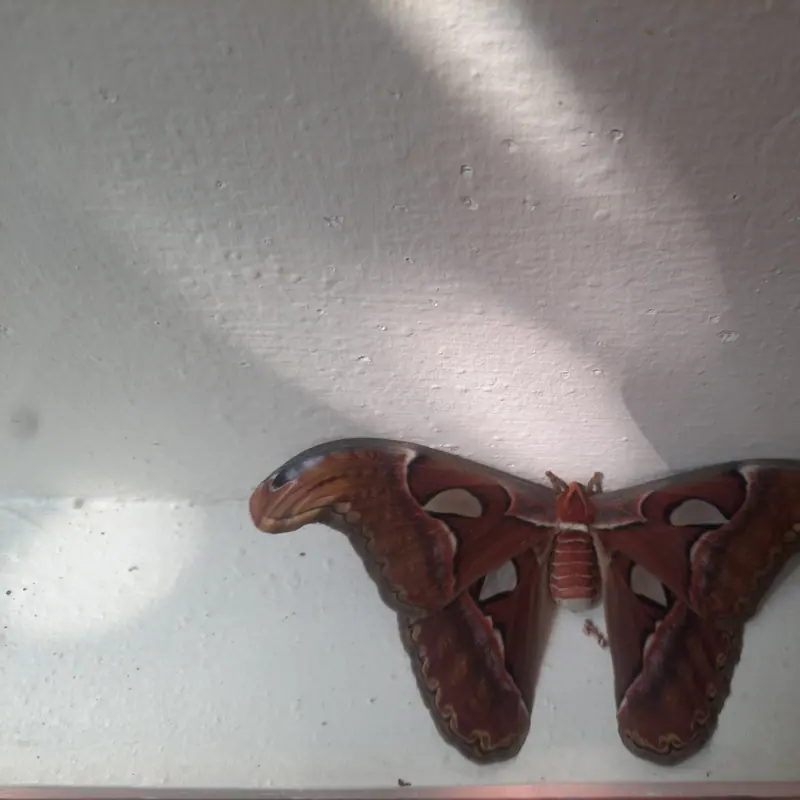
Most zones in the park lead with charismatic megafauna. The Butterfly Garden inverts the formula: the protagonists are tiny, fragile, and everywhere. Monarchs, swallowtails, blue morphos, and a rotating cast of seasonal residents drift between guests at face height, free-flying inside the glass conservatory and out among the meadow plantings. The lesson lands without anyone having to say it out loud — these are the species that the rest of the food web depends on, and they are the species in the steepest decline.